

Mohammed bin Salman paves a new road
MbS isn't to blame for the destruction in Syria, which was before his time. His vision 2030 is a plan for regional peace and prosperity, including Syria. He has emerged as a global player untethered from Washington. He has started massive economic and social reforms that span from tourism, sports, entertainment, education, commerce, and investments.
Repairing relations with neighbors in Yemen, Qatar, Iran, and Syria are cornerstones in his diplomatic efforts. Regardless of criticism from Washington, MbS insists on working toward a political solution in Syria that will be Arab-driven and seeks to use UN resolution 2254 as a roadmap.
MbS held a phone call with Russian President Putin on Wednesday, and Venezuelan President Maduro visited MbS before Blinken arrived. The Crown Prince seeks cooperation and diplomacy with varied leaders and is not bound by Oval Office dictates, while pursuing Saudi Arabia's national interests.
US sanctions, sanctions, and more sanctions
The US Congress is considering yet another round of sanctions on Syria, which prevent the Syrian people from rebuilding homes, schools, hospitals, and infrastructure that was destroyed or damaged by the US-sponsored terrorists.
The new bill is called the Syrian Anti-Normalization Act of 2023 and would be an addition to the already paralyzing Caesar Act of 2020. The new bill seeks to impose heavy fines on any country that would dare to help the Syrian people rebuild and recover. Arab countries normalizing their relations with Syria would be prevented from helping in the rebuilding.
Experts point to the fact that sanctions only hurt the Syrian people and impede their recovery and prevent jobs and livelihoods from recovering. The law provides for financial penalties to be imposed any time a country made an investment, grant, contract, or donation worth more than $50,000 to parts of Syria held by Damascus, which holds the largest territory and includes all of the major cities of Damascus, Aleppo, Homs, Hama, and Latakia. The US protects terrorists in Idlib, and the communist-administrated region in the northeast, but none of those areas have a large city. The largest group of Syrian civilians live under the administration of the central government seated in Damascus.
Syria analyst Joshua Landis of the University of Oklahoma believes sanctions on Damascus will not bring justice to the Syrian people, but further impoverish them. Due to US sanctions, medical equipment sits idle in hospitals because sanctions prevent ordering replacement parts. Occasionally, chemotherapy drugs are unavailable in Syria because foreign manufacturers are afraid to face penalties for sending products to Damascus. Building houses in Syria starts with wooden frame, and Syria does not have hardwood forests, so wood must be imported. However, countries such as Canada, Sweden, and Norway will not sell wood to Syrian merchants for fear of penalties.
EU summit
'Supporting the future of Syria and the region' will be held in Brussels on June 14 and 15. The meeting does not address or consider the needs of 15 million Syrians living under the central government, but exclusively focuses resources on the civilians held hostage by terrorists in Idlib, and the needs of foreign countries who are hosting Syrian refugees, such as Turkey, Jordan, and Lebanon.
This meeting is the main pledging event of 2023 for donations for Syrians who do not live under the Damascus administration. However, the vast majority of Syrians will never be helped or see any improvement in their lives by this meeting. This demonstrates the priorities of the Western democracies: to support the terrorist leaders who hold 3 million in Idlib, and to make sure that Syrian refugees living in tents in Turkey, Jordan, and Lebanon are kept from starvation, but held as pawns, which will prevent their return home to Syria.
The US and its allies in the European Union are not considering the lives of 15 million people living in Syria. They created the war, supported the terrorists who destroyed the country and divided it, but they refuse to participate in the recovery process for the Syrian people.
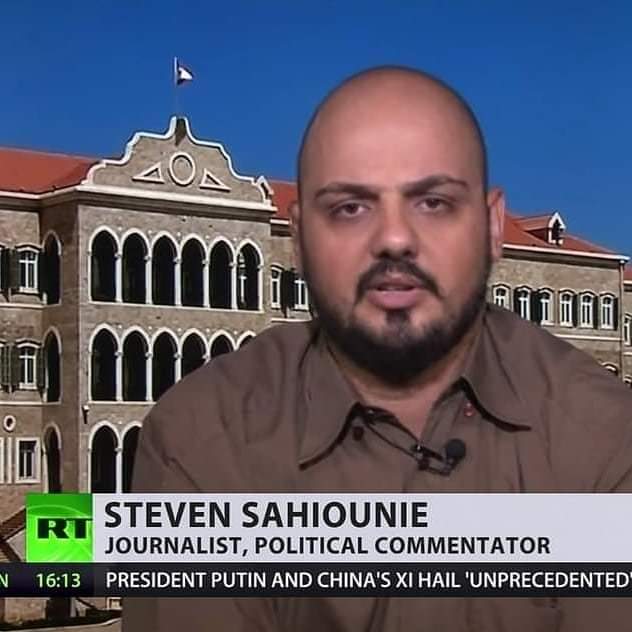
Steven Sahiounie is a two-time award-winning journalist
(Note: You can view every article as one long page if you sign up as an Advocate Member, or higher).