
Superior military power solves nothing, Rather, it emboldens violent conduct. As a consequence, that conduct evokes the memory of brown-shirted party members rampaging through the streets of Germany's towns and cities as the Nazis came to power.
More from the Times:
"'Today is my cousin, tomorrow my son,' said Abir Abu Khdeir, 45, one of scores of mourning women in the shaded courtyard outside Muhammad's home. 'All Shuafat is in danger, all the settlers around us. It's like a monster -- they want to eat us.'
"Muhammad's mother, Suha, sat in the center, interrupting interviews to cover her tears with an orange washcloth. Muhammad was the fifth of her seven children, a goofy jokester who danced the dabke, a traditional line dance, in a folk troupe. He was a devoted fan of the Real Madrid soccer team and went weekly to a barber to keep the sides of his head closely shaven.
"His mother said she had just given Muhammad breakfast when he left at 3:30 a.m. Wednesday for the prayer that starts the daily fast during the Muslim holy month of Ramadan."
There is a stark contrast between this Jerusalem domestic tableau of community and family grief, and the game-playing of those U.S. religious leaders who refuse to take even minor economic steps to demonstrate solidarity with an occupied people.
When will they ever learn? The answer is not until we learn to see ourselves as history will one day remember us.
Start with the ongoing conflict over divestment within the Presbyterian Church USA, and look at this conflict as a replay of an American southern religious struggles in the the early 1960s.

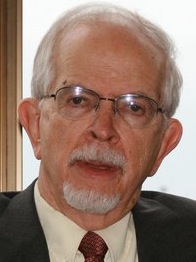
The horrific stories of this past week recall a development in the struggle for justice in April, 1963, when Dr. Martin Luther King, Jr., was confined in the Birmingham city jail. King, (above, left) and several colleagues had been arrested for demonstrating against racial segregation.
In April, 1963, a group of church leaders refused to take action to stop the brutality and killings of racial segregation in the American South.
Go slow, they advised King, a man who had lived in the state of Georgia under the tyranny of segregation his entire life. He was finished, he said, with "going slow."
In his jail cell he sat down and wrote, at first on scraps of paper, the famous document that came to be known as the "Letter from Birmingham jail." That letter was first published in The Christian Century magazine.
American church leaders who want to "go slow" in Palestine in 2014, should spend this week contemplating the relationship of the 1963 church leaders' counsel to King to "go slow," to the "go slow" mindset of those 2014 U.S. denominational leaders who continue to "debate" what should be done to deal with the asymmetrical power struggle between Israelis and Palestinians.
The parallel between a U.S. segregated society in 1963 and the asymmetrical struggle between Israel's occupation military force and an occupied Palestinian population should be painfully obvious.
Scholars who study the 1963 American segregation era concur that the only religious leader who later expressed regret over the 1963 religious "go slow" letter was a Birmingham Jewish leader, Rabbi Milton L. Grafman, of Temple Emanu-El,
There were divestment supporting Jewish observers at the 221st Presbyterian USA General Assembly -- the denomination has been around more than two centuries -- when that body voted to divest all financial holdings from three U.S. corporations doing business in the Occupied Palestinian Territories (OPT).
(Note: You can view every article as one long page if you sign up as an Advocate Member, or higher).
 1
1
 1
1
 1
1