



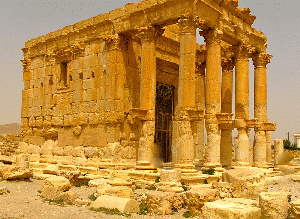
Temple of Baal-Shamin in Palmyra 2010
(Image by (From Wikimedia) Mappo, Author: Mappo) Details Source DMCA
Temple of Baal-Shamin in Palmyra 2010
(Image by (From Wikimedia) Mappo, Author: Mappo) Details Source DMCA
The temple stood less than 100 yards from the Roman amphitheater where the Islamic State held a summary trial with unanimous verdict and mass execution, killing 25 Syrian army prisoners last spring. Baalshamin was built in AD 17 as a place of worship dedicated to the Phoenician god of storms and the sky, expanded under the reign of the emperor Hadrian in 130 AD and during the time of Queen Zenobia and her husband Septimius Odaenathus, the King of Kings of Palmyra, it evolved into a major worshipping site for a number of deities.
According to locals, and to the surprise of some, Daesh (ISIS) loyalist religious purists have since last May been observed using the pagan temple Baalshamin to pray at Fajr (morning) prayers including the day they murdered archeologist Khaled al-Ass'ad earlier this month. But even their own place of worship needed to be blow-up on orders of a ranking local IS sheik. And so it was.
Irina Bokova, the chief of the UN's cultural agency, UNESCO, issued an urgent appeal on 8/24/2015: "This destruction is a war crime."